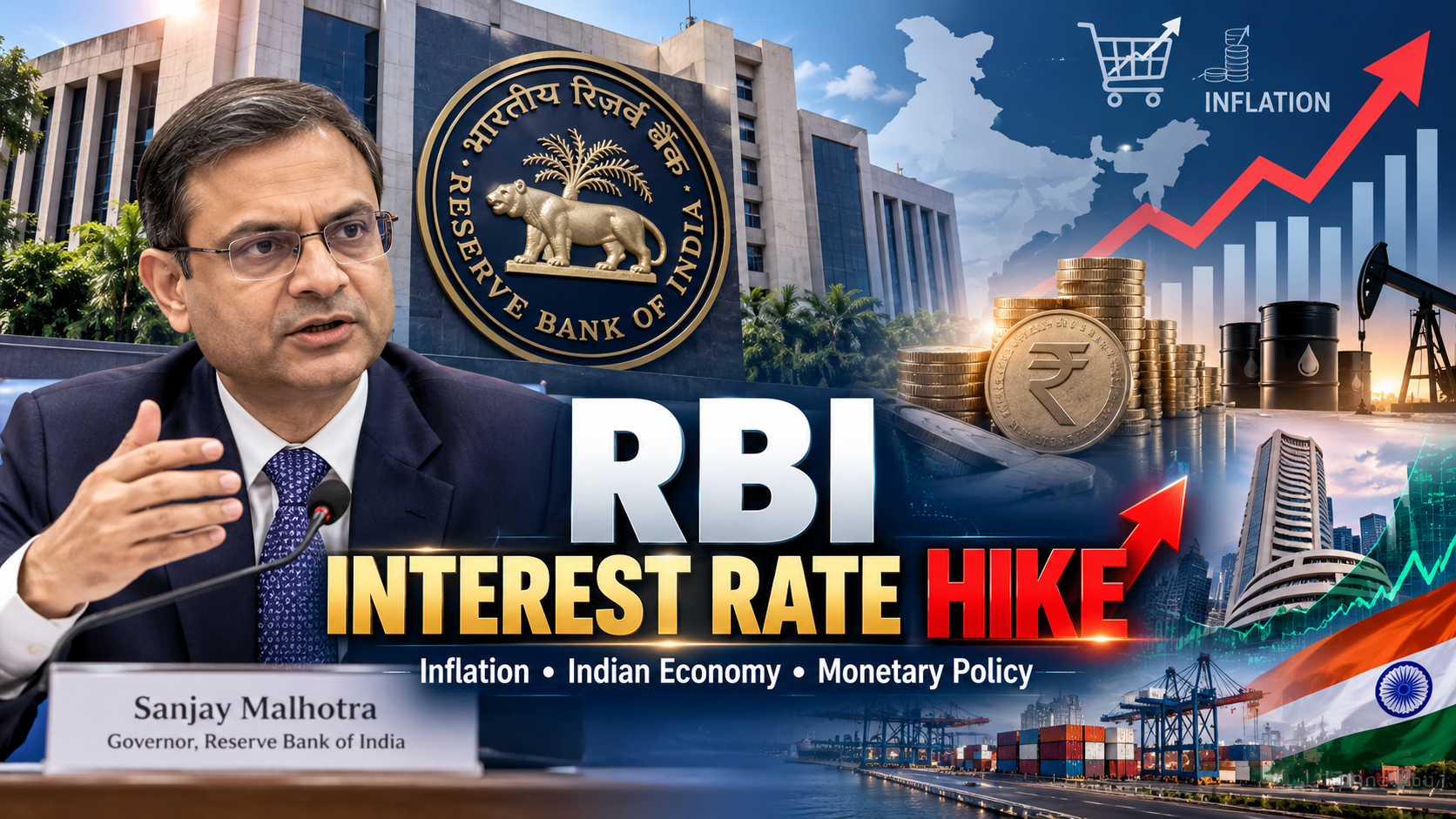
The Reserve Bank of India (RBI) has cut the policy repo rate by 25 basis points to 5.25%, marking a significant shift in its monetary stance. This move comes at a time when India is witnessing strong GDP growth, easing inflation, and heightened volatility in the rupee.
India’s economy has continued to post impressive numbers, with GDP growth holding above 8%, signalling resilient domestic demand, robust investment activity, and improving consumer sentiment. Against this backdrop, the RBI’s decision aims to support this growth cycle further, especially as global financial conditions ease and borrowing costs decline across markets.
One of the biggest factors enabling the rate cut is cooling inflation, which has remained within the RBI’s comfort band for several consecutive months. Softer food prices, stable crude oil levels, and improving supply chains have helped anchor inflation expectations. With headline inflation trending lower, the central bank now has more flexibility to shift its focus toward boosting economic momentum.
However, the timing of the rate cut has raised some concerns given the recent weakness in the Indian rupee, which has been trading near record lows against the US dollar. Lower interest rates could potentially increase pressure on the currency by widening interest-rate differentials and influencing foreign capital flows. The RBI, however, appears confident that strong forex reserves and improved macro fundamentals will help maintain overall stability.
The rate cut is expected to ease loan EMIs, improve credit growth, and stimulate investment in key sectors. As India navigates this evolving economic landscape, the RBI’s policy path will continue to balance growth support, inflation management, and currency stability—a delicate but crucial triad for sustained progress.



Leave a Reply