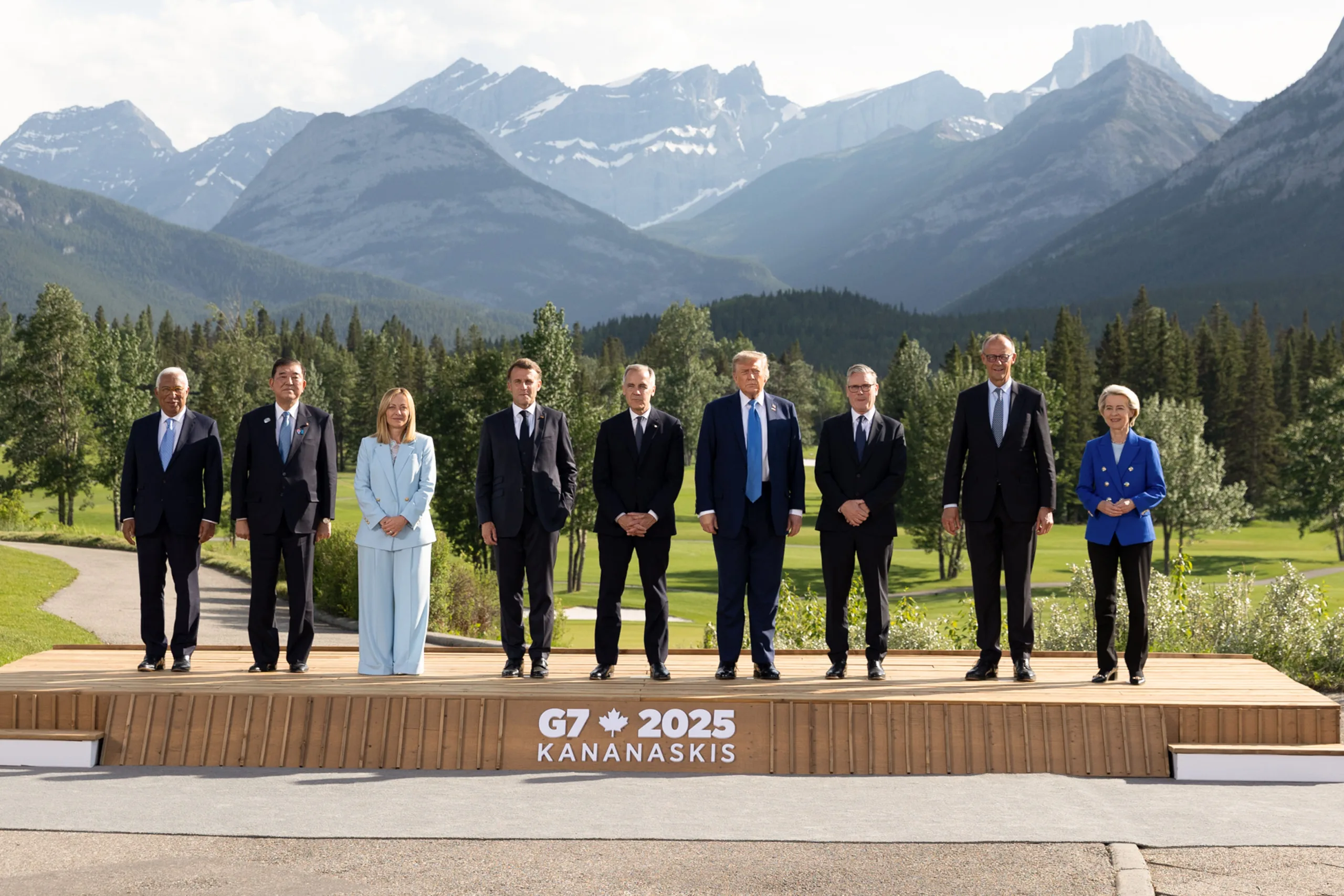
The 2026 G7 Summit in Évian, France, comes at a crucial moment for the global economy. Leaders from the world’s largest advanced economies are meeting against a backdrop of slowing growth, persistent inflationary pressures, geopolitical uncertainty, and rapidly evolving technological change. While discussions span security and diplomacy, the summit’s economic agenda may have the most lasting impact on businesses, investors, and households worldwide.
According to the International Monetary Fund (IMF), global economic growth is expected to remain below the pre-pandemic average, reflecting weaker productivity growth, trade fragmentation, and elevated public debt levels. Policymakers at the summit are therefore focusing on how to sustain growth while maintaining macroeconomic stability.
One of the most pressing concerns is the emergence of new inflation risks. Although inflation has moderated from the peaks experienced in 2022–2024, energy markets remain vulnerable to geopolitical disruptions. Recent tensions in the Middle East caused significant volatility in oil prices, demonstrating how quickly supply shocks can affect global inflation. While Brent crude recently fell below $80 per barrel following signs of easing tensions and the reopening of shipping routes, energy markets remain highly sensitive to geopolitical developments.
The economic consequences are already visible in Europe. Germany’s RWI Economic Institute recently revised its 2026 GDP growth forecast down to just 0.8%, while forecasting inflation of 3.1%. Rising energy costs continue to erode household purchasing power and weaken consumer spending, highlighting the challenge facing policymakers across advanced economies.
Supply chain resilience has emerged as another major theme of the summit. During the pandemic and subsequent geopolitical crises, disruptions exposed vulnerabilities in critical sectors such as semiconductors, pharmaceuticals, and rare earth minerals. G7 leaders are discussing strategies to diversify supply chains and reduce excessive dependence on single-country sourcing. Although diversification may increase short-term production costs, economists argue that it can reduce the risk of future supply shocks and improve long-term economic stability.
Trade remains central to global growth prospects. The World Trade Organization has repeatedly warned that increasing trade restrictions and geopolitical fragmentation could reduce global economic output over the long term. G7 leaders are attempting to balance economic security concerns with the benefits of open markets. Discussions have included critical minerals, strategic industries, and efforts to create more resilient trade networks among trusted partners. The summit agenda explicitly highlights concerns over trade tensions, macroeconomic imbalances, and the need for a stable global economic environment.
China’s economic slowdown has also received considerable attention. Recent data showed China’s retail sales falling by 0.6% in May 2026, the first decline in more than three years. At the same time, industrial production grew by 4.5%, creating a growing imbalance between production and domestic demand. Given China’s role as the world’s second-largest economy and a major trading partner for many G7 nations, continued weakness in Chinese consumption could affect global trade flows and commodity demand.
Technology and artificial intelligence represent another key economic issue. The summit’s agenda includes discussions on the future of AI, reflecting growing recognition that technological innovation will shape future productivity growth. Historically, productivity gains have been a major driver of rising living standards. However, policymakers must also address concerns about labor displacement, workforce retraining, and widening income inequality. The challenge is to maximize the benefits of AI while minimizing potential social and economic disruptions.
Fiscal sustainability remains a growing concern among advanced economies. Government debt levels increased sharply following the pandemic as countries implemented large-scale stimulus programs. Higher interest rates have since increased debt-servicing costs. Many governments now face difficult trade-offs between maintaining fiscal discipline and investing in strategic priorities such as defense, climate transition, and digital infrastructure. Financial markets will closely monitor any signals from G7 leaders regarding future fiscal strategies.
The summit also highlights the importance of international cooperation in addressing global development challenges. France has invited several emerging economies, including India, to participate in selected discussions. These countries are increasingly important drivers of global growth and investment. Broader cooperation is essential as financing needs for climate adaptation, infrastructure development, and sustainable growth continue to rise across the developing world. Recent studies indicate that global financing gaps for climate and development objectives remain substantial, requiring coordinated action from both advanced and emerging economies.
Beyond growth and inflation, inequality remains a significant concern. Public dissatisfaction with economic disparities was evident in protests surrounding the summit, where demonstrators criticized rising wealth concentration and the perceived disconnect between economic growth and living standards. These concerns reflect a broader debate among economists about ensuring that future growth is both sustainable and inclusive.
Ultimately, the 2026 G7 Summit underscores a central reality of modern macroeconomics: economic prosperity is increasingly interconnected with global stability. Energy security, trade flows, technological innovation, and geopolitical cooperation are no longer separate policy domains; they are deeply intertwined drivers of economic performance. The decisions made in Évian may not immediately transform the global economy, but they will influence the policy framework that shapes growth, inflation, investment, and living standards in the years ahead.
For investors, businesses, and policymakers alike, the summit serves as a reminder that navigating today’s economic challenges requires not only national policy solutions but also sustained international cooperation. In a world characterized by uncertainty, coordination among major economies remains one of the most powerful tools for promoting stability and long-term growth.


Leave a Reply