
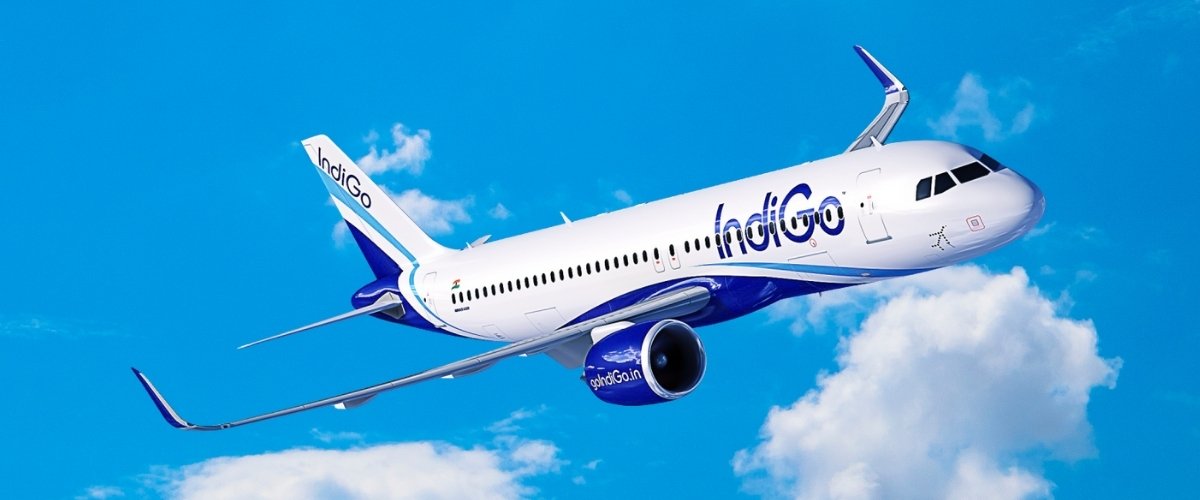
The Indian government has responded to the IndiGo flight disruption crisis with a mix of passenger-protection measures, temporary regulatory relaxations, fare controls, and a high-level inquiry, while the economy is facing measurable losses from cancelled flights, productivity hits, and tourism disruption. These interventions aim to restore normalcy quickly but also highlight the broader economic vulnerabilities created when the country’s largest airline suffers a systemic breakdown.
Scale of the IndiGo crisis
In early December 2025, IndiGo, which operates nearly two-thirds of India’s domestic air traffic, cancelled or severely delayed thousands of flights over several days due to crew-rest rule changes and operational mismanagement. Airports in Delhi, Mumbai, Bengaluru, Hyderabad and other hubs saw massive queues, missed connections and stranded passengers, turning a regulatory safety reform into a nationwide mobility shock.
The disruption coincided with peak travel demand, amplifying its impact on business travellers, students, medical passengers and migrant workers who rely on affordable, predictable connectivity. As IndiGo struggled to rework schedules and crew rosters, on-time performance collapsed and other airlines filled the gap at sharply higher fares.
Key government decisions and directives
The Ministry of Civil Aviation ordered IndiGo to complete all pending passenger refunds for cancelled or disrupted flights by 8:00 pm on 7 December 2025 and barred airlines from charging rescheduling fees to affected travellers. Authorities also mandated that separated baggage be traced and delivered to passengers’ homes within 48 hours, warning of immediate regulatory action for non-compliance.
To stabilise operations, the Directorate General of Civil Aviation (DGCA) temporarily placed new Flight Duty Time Limitation (FDTL) orders in abeyance, relaxing certain crew-rest constraints while stressing that core safety standards would not be diluted. The government set up a 24×7 control room, directed airports to prioritise senior citizens and differently abled passengers with lounge access and assistance, and announced hotel accommodation and refreshments for stranded passengers in severe delay situations.
Inquiry and regulatory follow-up
Beyond immediate relief, the Centre has ordered a high-level probe to investigate what went wrong inside IndiGo, fix accountability and recommend reforms to prevent similar meltdowns. A DGCA committee has been constituted to review the circumstances leading to the disruption, adequacy of the airline’s contingency plans, and the effectiveness of the regulator’s own oversight.
Parliamentarians have raised the issue in both Houses, pressing for stronger consumer protection, better enforcement of passenger rights, and stricter scrutiny of large carriers whose operational failures can paralyse the network. Policymakers are also signalling potential changes in how safety norms such as FDTL are phased in, to balance fatigue mitigation with realistic transition timelines for airlines.
Immediate economic costs
The IndiGo crisis has imposed direct revenue losses on the airline from thousands of cancellations, refunds, compensation and re-accommodation, alongside reputational damage that could depress future bookings. With IndiGo operating around 2,300 flights a day in normal times, even a multi-day disruption translates into hundreds of crores of rupees in lost ticket revenue and higher operating costs.
Spillover effects extend to airports, ground handlers, catering firms, travel agents and app-based aggregators whose volumes and commissions dropped sharply during the disruption. Businesses faced lost productivity as executives missed meetings and deal closures, while medical travellers, students and migrant workers incurred extra accommodation and alternative travel expenses that do not show up directly on aviation balance sheets but still represent welfare losses.
Broader economic and market impact
The sudden withdrawal of IndiGo capacity pushed ticket prices on other carriers to extreme levels, with some one-way economy fares on busy routes briefly touching several multiples of normal prices, prompting the government to cap airfares. These fare spikes acted as a regressive shock, pricing out lower- and middle-income passengers and dampening discretionary travel, tourism and hospitality demand in the short run.
For the broader economy, air travel disruption can temporarily slow trade in time-sensitive goods, delay project execution, and weaken investor confidence in infrastructure reliability, particularly when the crisis involves the market leader. However, strong policy signalling through fare caps, refund mandates and a visible inquiry helps contain long-term damage by reassuring consumers and markets that systemic risks in aviation will be addressed institutionally rather than left to ad hoc fixes.
Leave a Reply